
Enzyme Solutions for Dietary Supplements
Let Us Help You Customize an Enzyme Solution to Support Digestive Health
The human digestive system facilitates a dynamic and sophisticated response to food. Critical to digestion are enzymes. Our bodies produce enzymes in the salivary glands, stomach, pancreas, and small intestine. Supplemental microbe- and plant-based, acid-resistant enzyme formulations are designed to complement our own biology.
Protease
Enzymes to help digest proteins into amino acid building blocks
Lipase
Enzymes to help break down fats into energy-rich fatty acids
Amylase
Enzymes to help digest starch carbohydrates
Lactase
Enzyme to digest lactose
Carbohydrases
To help break down hard-to-digest carbohydrates and plant fibers
Phytase
To help release nutrients and minerals from plants
BIO-CAT Branded Solutions

Clinically tested, proprietary triple protease blend with broad substrate specificity that is ideal for the digestion of plant, animal, and dairy proteins*,**
*These statements have not been evaluated by the Food and Drug Administration. This product is not intended to diagnose, treat, cure, or prevent any disease.
**Derived from standard in vitro gastric simulation experiments that showed increased amino acid liberation by OPTIZIOME P3 HYDROLYZER® compared to two top competitors.
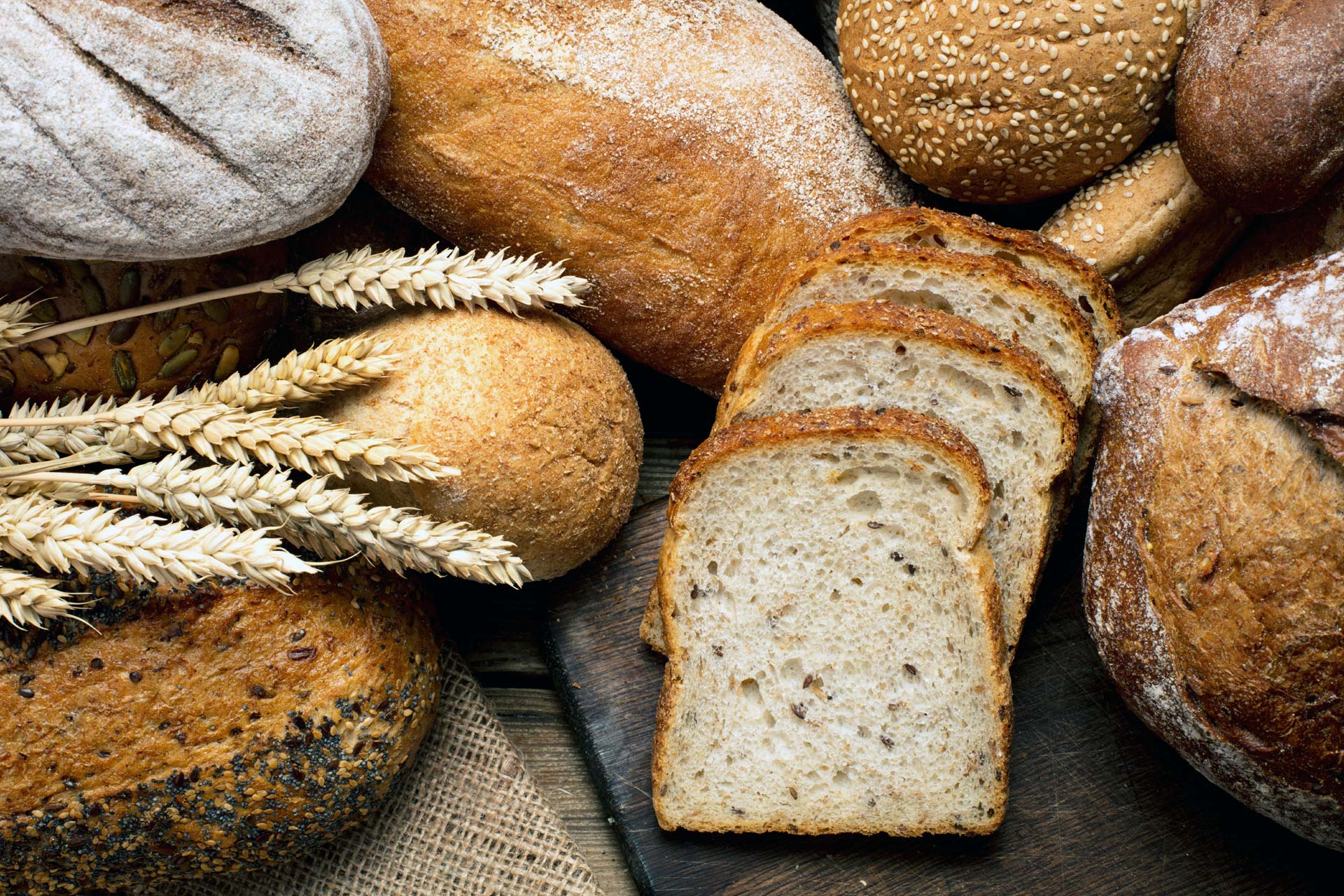
Blend of proteases specifically formulated to facilitate the breakdown of gluten and associated peptides*,†,‡
*This statement has not been evaluated by the Food and Drug Administration. This product is not intended to diagnose, treat, cure, or prevent any disease.
†This product is not intended to replace a gluten-free diet or treat or prevent celiac disease.
‡Derived from standard in vitro gastric simulation experiments that showed decreased alpha-gliadin abundance following wheat gluten slurry hydrolysis.
BIO-CAT Enzyme Solutions
Contact Us to learn more about our enzyme solutions. Below is a sampling of our broader enzyme portfolio:
Custom Enzyme Solutions
From concept to reality, we will guide you through every step to ensure intelligent design, optimized performance, and differentiated enzyme product offerings.
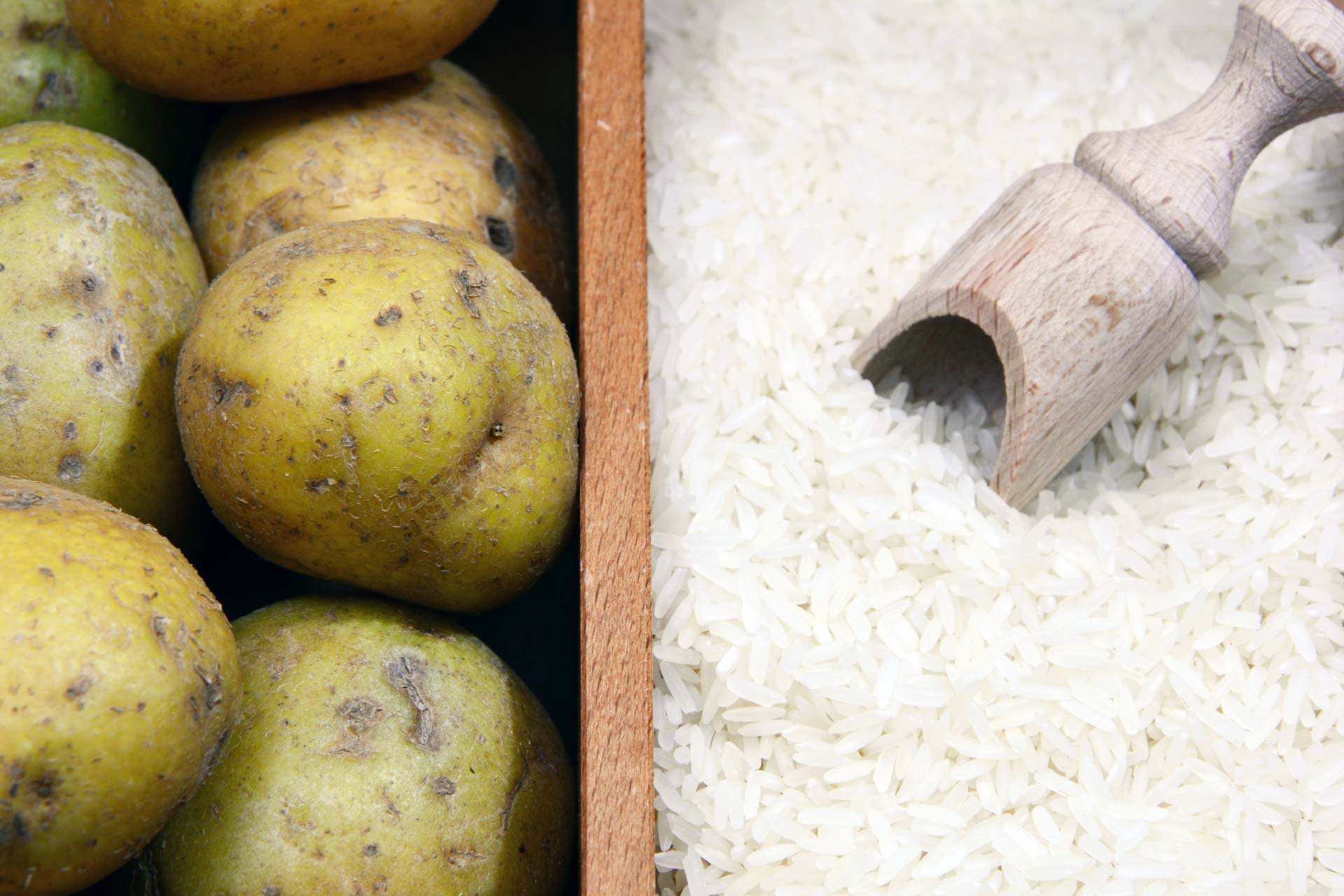
Amylase and Other Carbohydrases
Amylases help digest long chains of glucose called starch—the most common carbohydrate in the human diet. Humans naturally produce alpha-amylase in saliva and pancreatic “juice” to trim down starch into shorter chain oligosaccharides and disaccharides. Additional starch carbohydrases in the BIO-CAT portfolio include glucoamylase, invertase, maltase, and diastase.
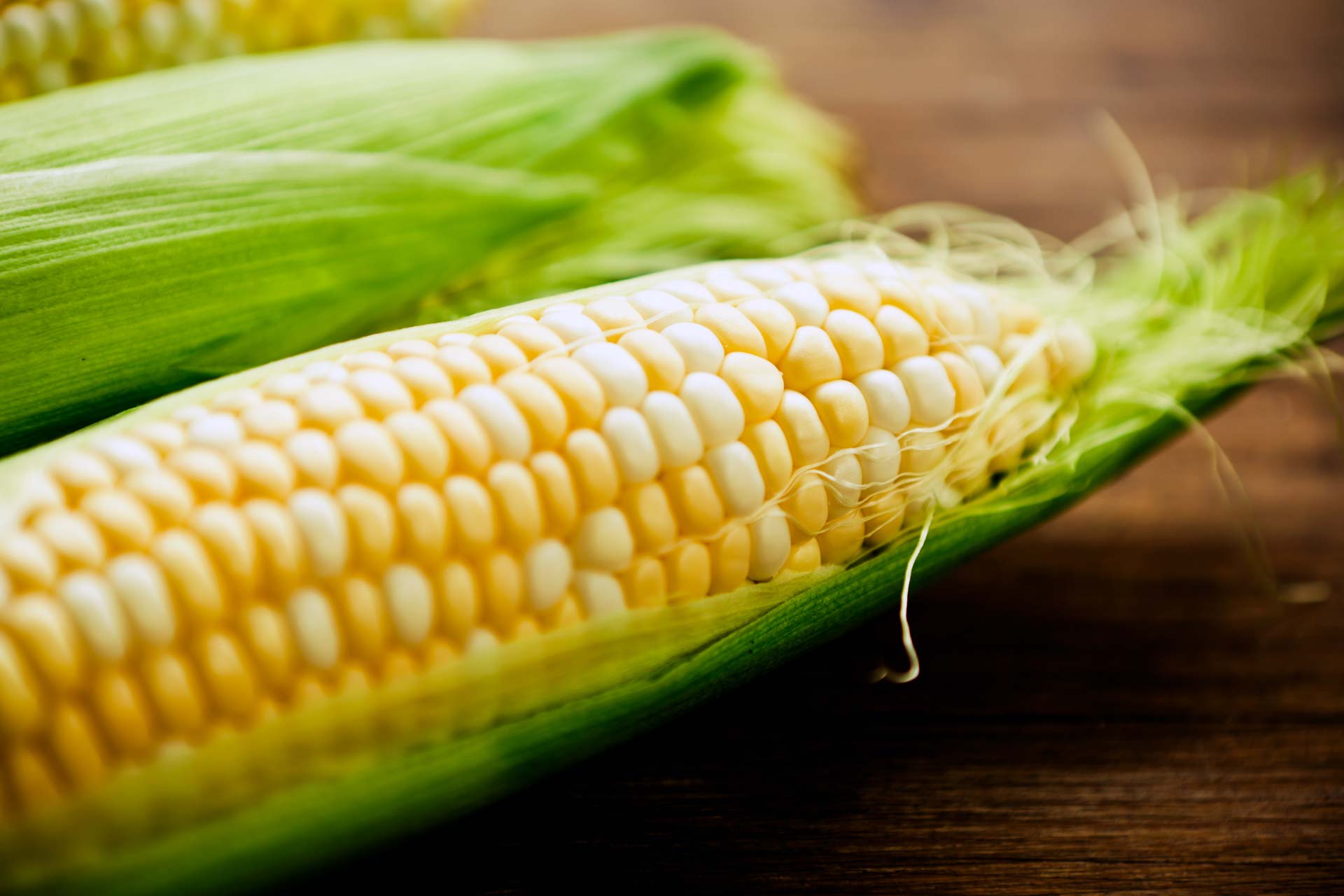
Other Non-Starch Carbohydrases
Similar to cellulase and alpha-galactosidase, a number of additional carbohydrase enzymes are approved for use in dietary supplements. These enzymes are commonly included in formulations targeting improved digestion of the complex carbohydrates and fibers commonly found in vegetables and plant-based foods. Examples include hemicellulase, xylanase, beta-glucanase, and pectinase.
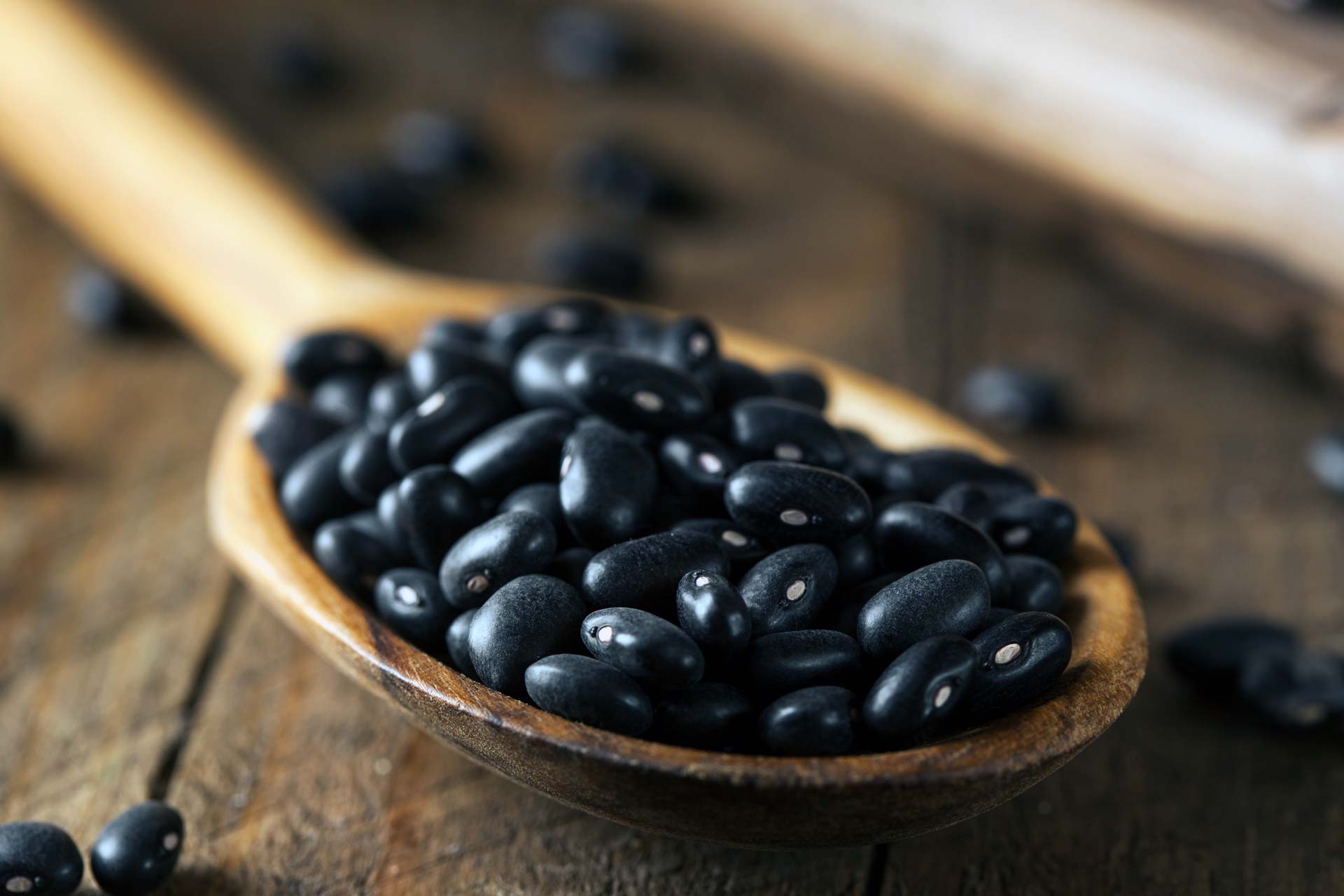
Alpha-Galactosidase
The alpha-galactosidase enzyme cleaves off terminal galactose residues from galactosylated molecules, one of which is galactooligosaccharide (GOS). GOS is a complex carbohydrate found in beans, dairy products, and certain root vegetables. In individuals with certain food intolerances, oral supplementation with microbial alpha-galactosidase has been shown to help reduce symptoms of gastrointestinal distress such as bloating and flatulence. Increasingly, alpha-galactosidase is added to multi-enzyme formulations to support digestion.
Cellulase
Cellulase is an enzyme that breaks down cellulose, which is a type of non-starch polysaccharide (NSP). Cellulose is the main structural component of plant cell walls and vegetable fiber. Human cells do not make or secrete their own cellulase. Our guts rely heavily on bacteria to break down plant fiber in a process called microbial fermentation, which can lead to gas and bloating.
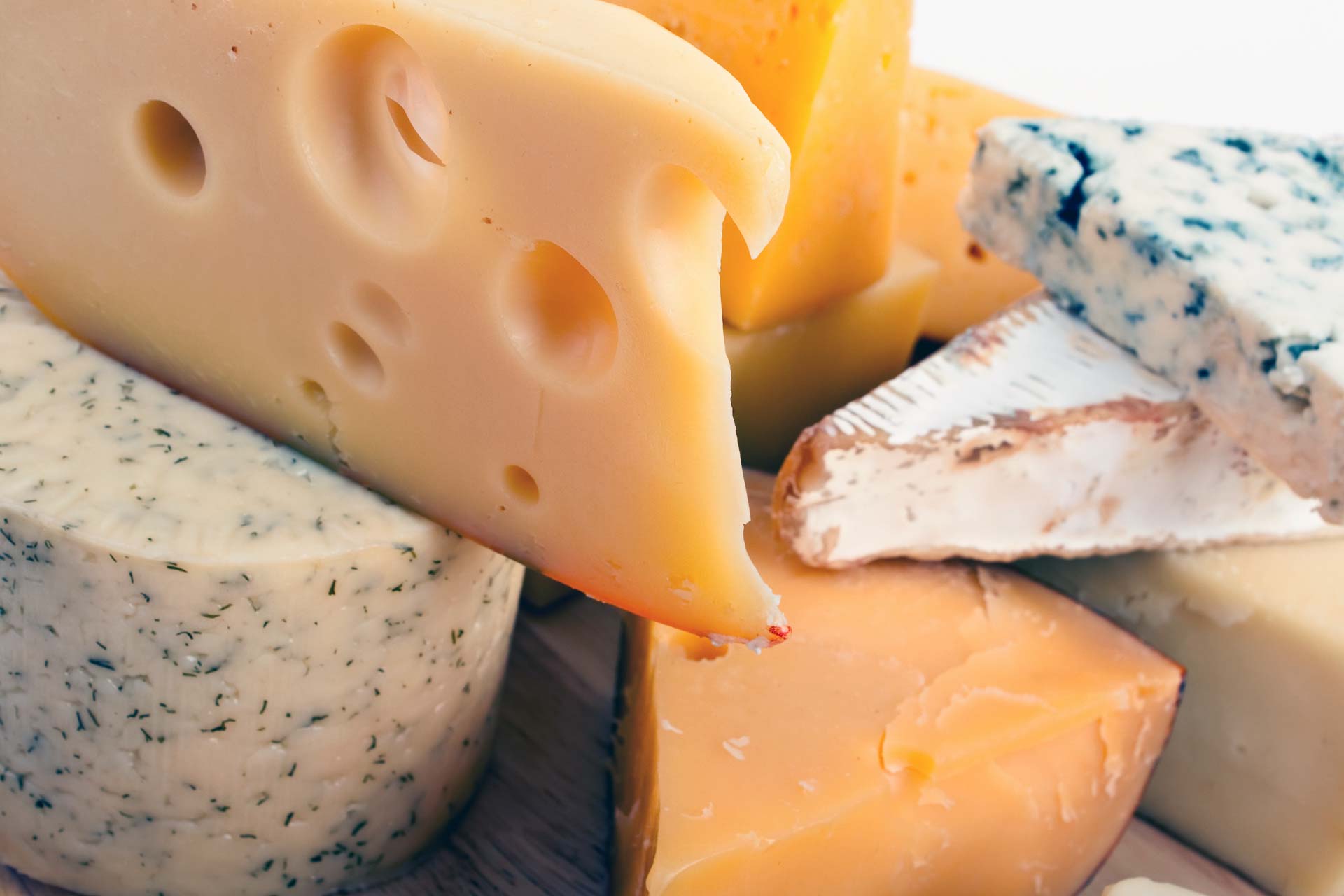
Lactase
Also known as beta-galactosidase, lactase converts the disaccharide milk sugar called lactose into the monosaccharides glucose and galactose. In individuals with lactose intolerance, oral supplementation with microbial lactase has been shown to help reduce symptoms of gastrointestinal distress such as bloating and flatulence. Increasingly, lactase is added to multi-enzyme formulations to support digestion.
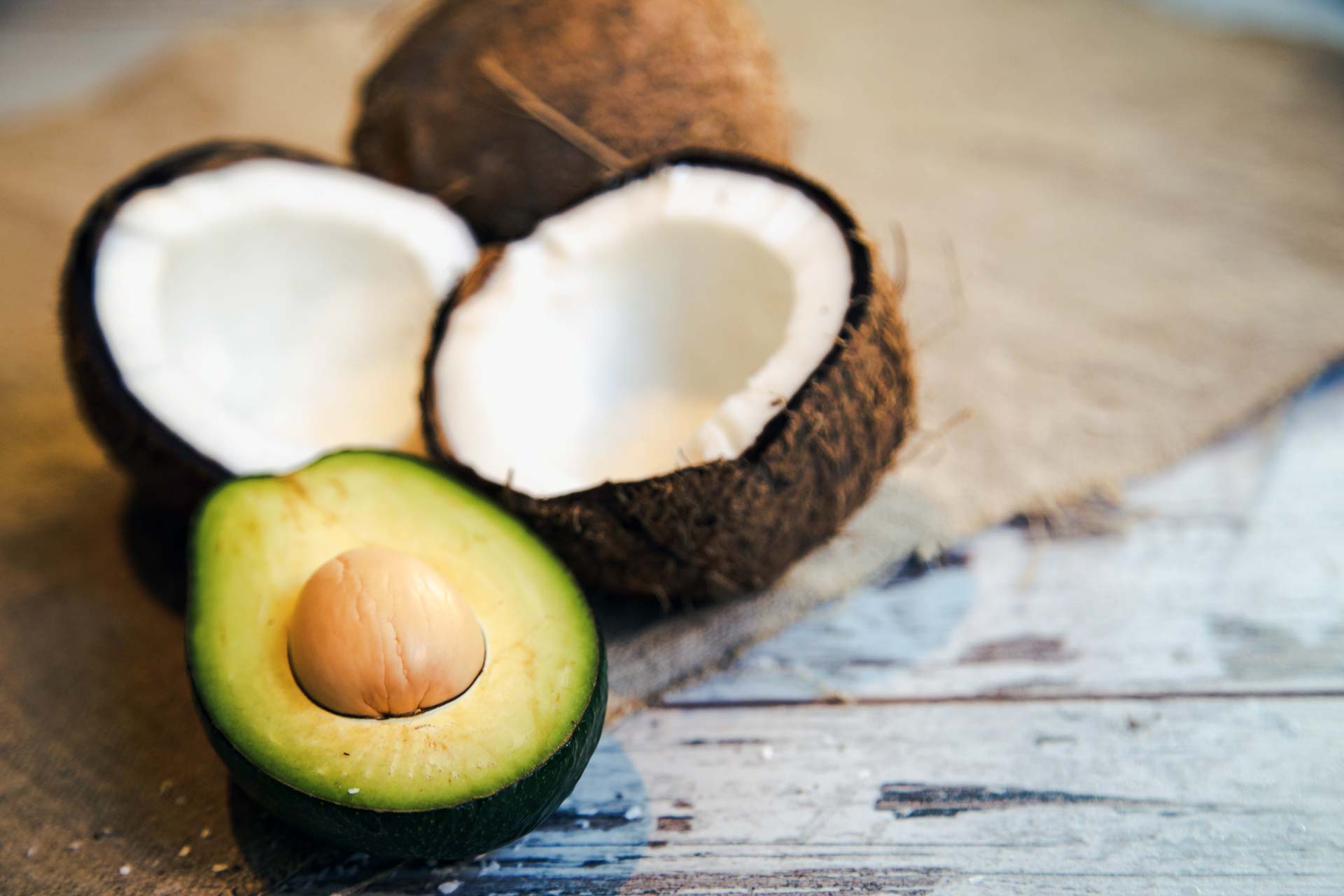
Lipase
Lipases are required to digest fats and triglycerides into free fatty acids. We regularly recommend microbial lipase for broad spectrum multi-enzyme formulations. Talk to the BIO-CAT team about our internal studies of lipase activity and how much lipase to include in your next product formulation.
Protease
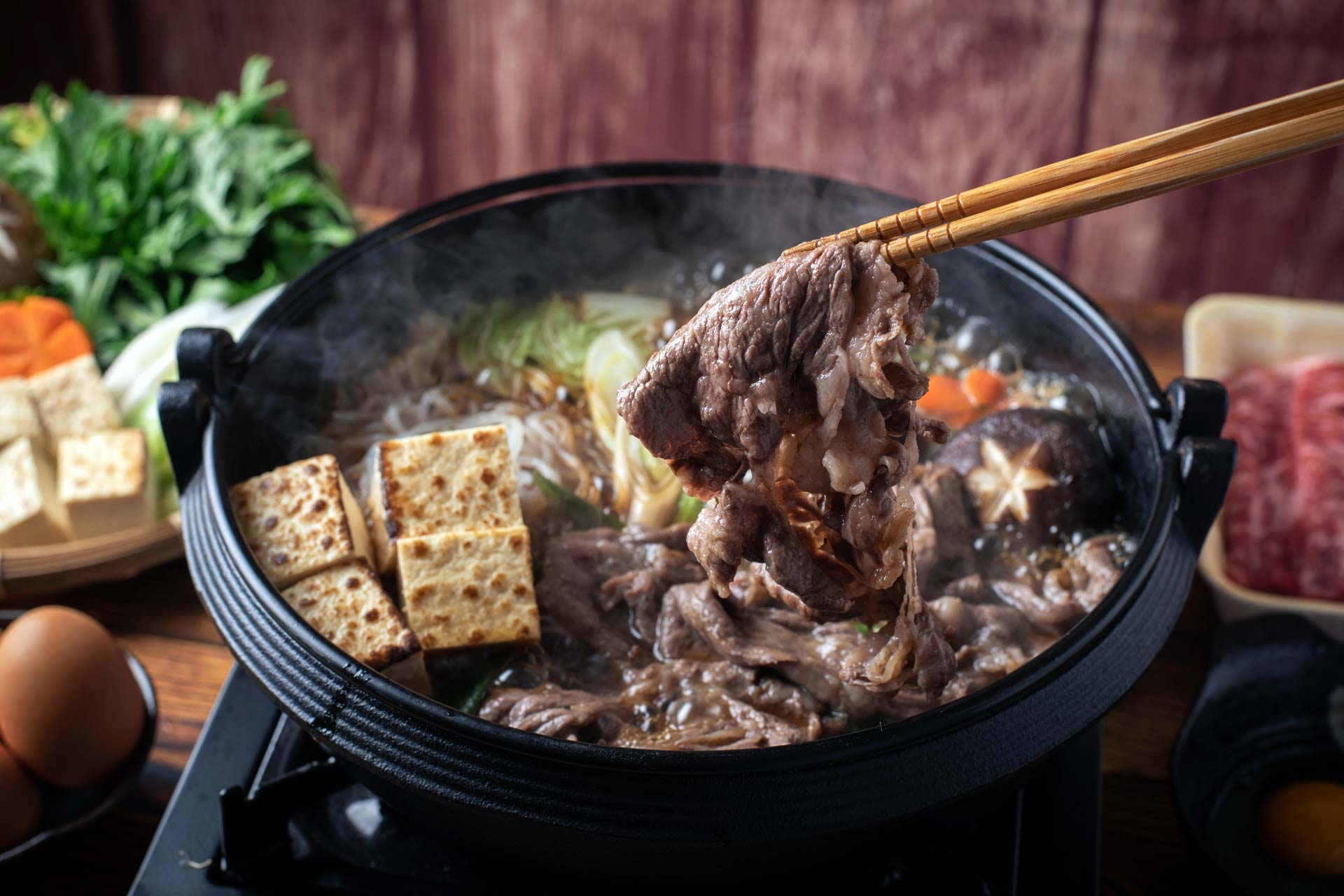
Proteases are required to digest proteins into amino acid building blocks. Our portfolio of microbial and plant proteases features enzymes with both endopeptidase and exopeptidase activities that work across a broad range of pH values. Ask the BIO-CAT team about specific proteases that are best suited for your product formulation.
Transglucosidase
Transglucosidase belongs to the alpha-glucosidase family of enzymes that can hydrolyze the disaccharide maltose into glucose. In addition, transglucosidase facilitates the elongation of maltose to longer malto-oligosaccharides such as the trisaccharides panose and isopanose that are partially resistant to digestion by human pancreatic enzymes. Rather, several species of human gut microbes such as Lactobacillus and Bifidobacterium have been shown to effectively metabolize malto-oligosaccharides.
Phytase
Phytase is an enzyme that helps release certain minerals such as zinc from a common plant molecule called phytic acid or phytate. Phytate is commonly found in beans, seeds, nuts, and grains.
Fungal Pepsin
Fungal Pepsin is an alternative to animal derived pepsin. Fungal Pepsin acts just like animal derived pepsin hydrolyzing proteins but without the animal derivatives commonly found in traditional pepsin.
Microbial Trypsin
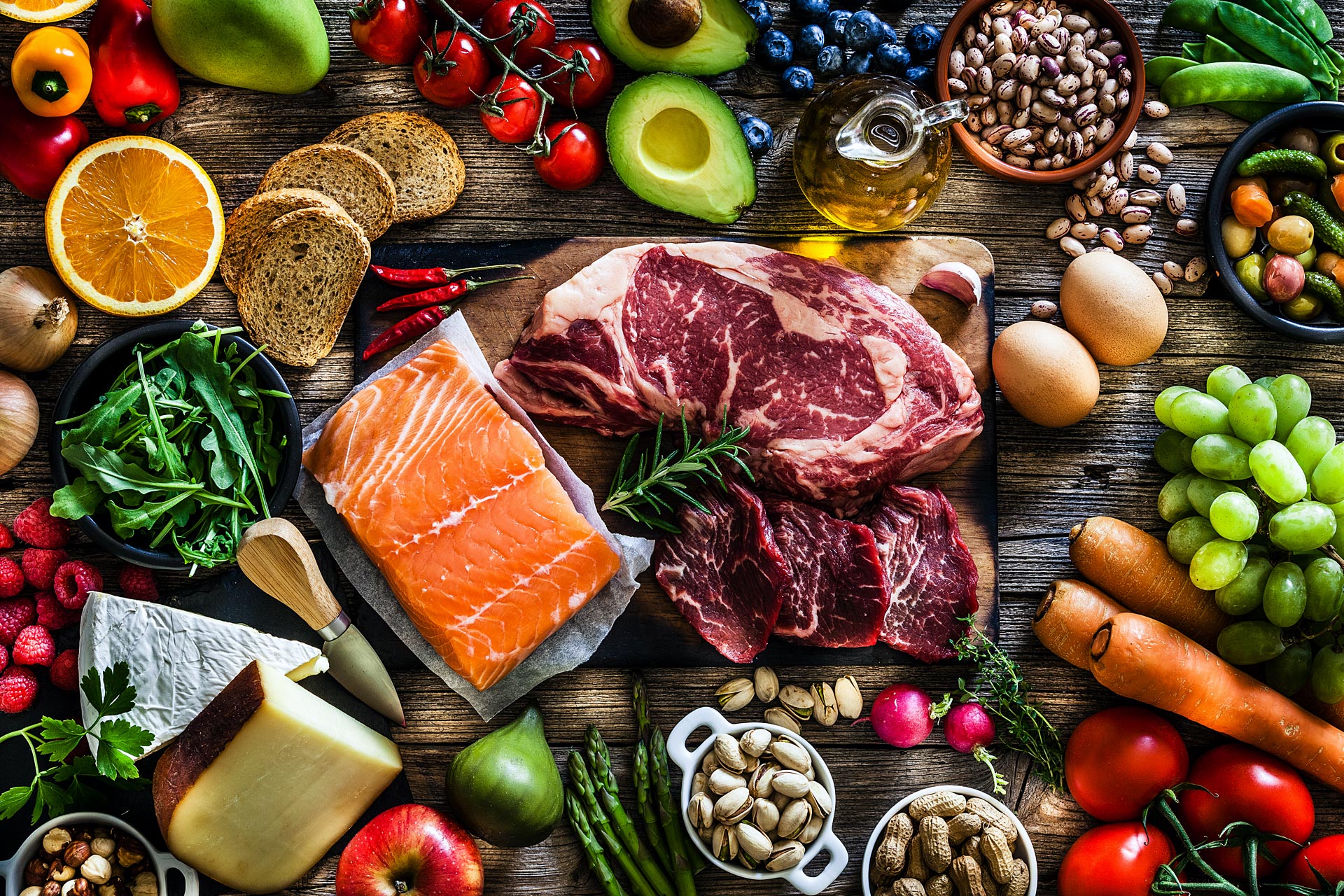
Microbial Trypsin is a non animal derived Trypsin alternative. It is comparable to traditional trypsin in pH profile activity and performance.
Microbial Pancreatin
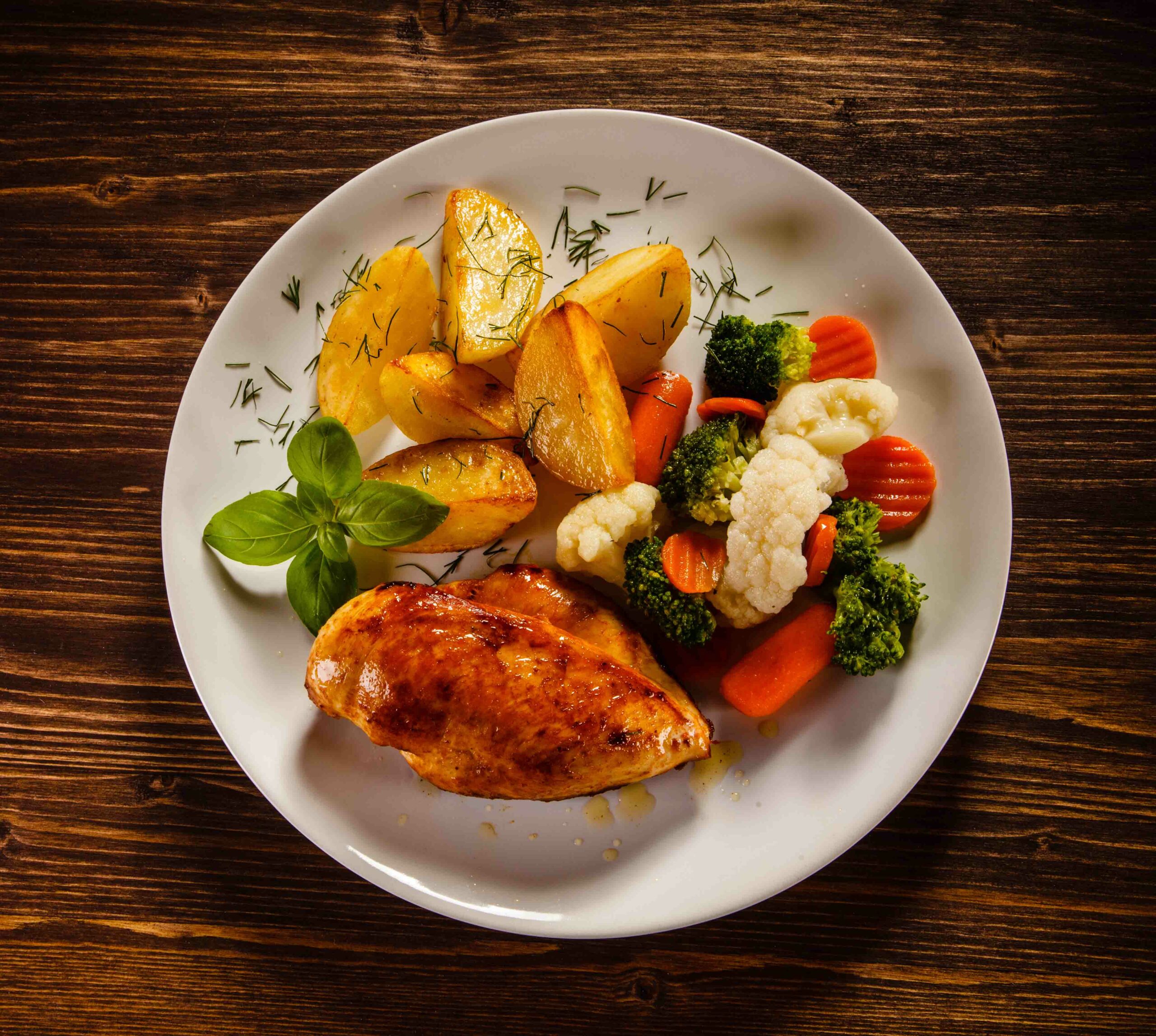
Microbial Pancreatin, is non-animal-derived and comparable in activity and performance to traditional pancreatin. Microbial Pancreatin digest protein fat and starch and is available in strengths 1x to 10x.
Learn About Our Services
Custom Formulation
The right enzyme or microbial for your precise application
Custom Blending
Large blending capacity, production and packaging
Custom Product Development
Your partner in innovating new products
Custom R&D Projects
From basic research through development and tech support
Quality Assurance & Control Support
Every product rigidly tested in our in-house lab
Regulatory Support
Regulation review, safety, import/export and more
Let’s Develop Something Together
We’re as passionate as you are about scientific innovation that matters
Learn More